Maybe it started with a note from your child’s teacher. Or maybe homework has turned into a nightly standoff, and your child seems to tune out every instruction you give. Somewhere along the way, you started to wonder about ADHD.
Bringing it up with your pediatrician doesn’t commit your child to a label or a prescription. It starts a careful look at what’s going on. At Indian Crest Pediatrics, we evaluate and treat ADHD, and families tend to feel much calmer once they know how the process works.
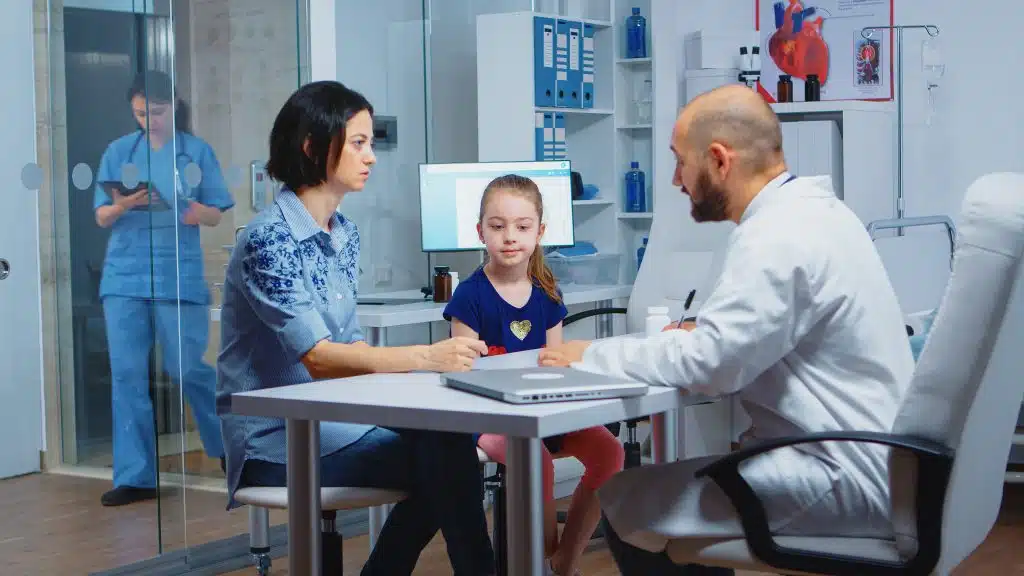
What Is ADHD?
Attention-deficit/hyperactivity disorder (ADHD) is a common neurodevelopmental condition. It affects attention, activity level, and impulse control, and it shows up in three main ways:
- Inattentive: trouble focusing, finishing tasks, and staying organized
- Hyperactive-impulsive: constant motion, restlessness, and acting before thinking
- Combined: a mix of both
Research doesn’t support the idea that ADHD comes from too much sugar, too much TV, or parenting style. Genetics plays an important role, and ADHD often runs in families.
Common Signs of ADHD in Children
All kids get distracted or wiggly. With ADHD, these behaviors happen often, show up in more than one place, and go well beyond what’s typical for the child’s age. Common signs include:
- Careless mistakes in schoolwork, or losing focus during play
- Not seeming to listen when spoken to directly
- Frequently losing school supplies or struggling to get organized
- Avoiding tasks that take sustained mental effort, like homework
- Fidgeting, squirming, or getting up when they’re expected to stay seated
- Talking a lot, blurting out answers, or interrupting
- Having a hard time waiting their turn
To make a diagnosis, the CDC notes that several symptoms need to have started before age 12, lasted at least six months, shown up in two or more settings such as home and school, and clearly affected daily life.
Signs It’s Time for an Evaluation
Schedule a visit if your child is 4 or older and:
- Has ongoing problems at school or home tied to attention, activity, or impulsivity
- Has a teacher or child care provider who has raised the same concerns
- Is falling behind in school despite real effort
- Struggles to make or keep friends because of impulsive behavior
- Is in constant conflict at home, and your usual strategies aren’t working
What Happens During an ADHD Evaluation
There’s no single test for ADHD. The American Academy of Pediatrics (AAP) describes diagnosis as a process of gathering information from several people who know your child well. The AAP guidelines apply to children and teens ages 4 to 18, and the evaluation often takes more than one visit.
A Detailed Conversation
Your pediatrician will ask what you’re seeing, when it started, and how it affects your child and your family. Family history offers important clues. Your child will also get a chance to share how they feel about school, friends, and home.
Rating Scales From Home and School
You and your child’s teacher will likely fill out standardized questionnaires, such as the Vanderbilt Assessment Scales, that measure how often specific behaviors happen. Teacher input isn’t optional. Symptoms must show up in more than one setting, and teachers see your child in a way parents can’t. Your pediatrician may also look at report cards, test scores, or samples of schoolwork.
A Physical Exam and a Look at Other Causes
Your pediatrician will do a physical and neurologic exam and consider other conditions that can look like ADHD or show up alongside it. These include trouble seeing or hearing, learning disabilities, anxiety, depression, and sleep problems. Blood tests and brain scans aren’t used to diagnose ADHD, though your pediatrician may order them if something else in the exam points that way.
How to Prepare for the Visit
- Jot down specific examples of the behaviors you’ve noticed and when they happen
- Bring recent report cards, teacher notes, and any school evaluations
- Ask your child’s teacher to return any forms the office sends before the visit
- Note your family’s medical and mental health history
- List any medicines or supplements your child takes, along with their usual sleep schedule
What Happens After a Diagnosis
If your child has ADHD, you and your pediatrician will build a plan together. The AAP clinical guideline recommends treatment based on age:
- Ages 4 to 5: parent training in behavior management and classroom behavior support come first. Medication may be considered if those aren’t enough.
- Ages 6 and up: FDA-approved medication along with behavior therapy and classroom support. The approaches tend to work best together. Teens should have a say in decisions about their medication.
School is part of the plan for every school-age child. Support may include a 504 plan or an Individualized Education Program (IEP) with classroom accommodations. At home, predictable routines, good sleep, and a calmer homework setup make a real difference. Parents often ask about foods that support focus. A balanced diet helps, but it doesn’t replace treatment.
Children with ADHD aren’t always aware of danger, so the AAP recommends extra care around traffic, pools, tools, and medicines. ADHD care also doesn’t end with the diagnosis. Regular follow-ups let your pediatrician check progress, adjust the plan, and stay in touch with school as your child grows.
When to Call the Doctor
If your child is being treated for ADHD, call our office if they:
- Lose their appetite or weight, or have trouble sleeping, and it isn’t improving
- Seem unusually irritable, moody, sad, or withdrawn
- Develop new tics, such as repeated blinking or throat clearing
- Have a racing heartbeat, chest pain, or a fainting spell
- Start struggling at school again after a stretch of doing well
According to Nemours KidsHealth, many medication side effects show up in the first days and often ease as the body adjusts. Still, if something worries you, call us rather than waiting.
If your child talks about hurting themselves or someone else, get help right away. Call or text 988 to reach the Suicide & Crisis Lifeline, or call 911.
Final Thoughts
An ADHD evaluation is really about understanding your child. Some families leave with a diagnosis and a plan. Others learn that something else, like a sleep problem or a learning difference, explains what they’re seeing. Either way, you’ll know more than you did walking in.
If you have questions about your child’s attention or behavior, call Indian Crest Pediatrics at (303) 422-7677 to schedule a visit. ADHD evaluation and ongoing care are part of the services we offer, and our pediatricians in Arvada work with families across Arvada, Westminster, and Broomfield.