Summer brings longer days, family vacations, sports camps, and plenty of time outdoors. While these activities are great for children’s physical and mental health, they also increase the risk of dehydration. Kids lose fluids faster than many adults realize, and they may not recognize or communicate that they’re thirsty until dehydration has already begun.
The good news is that dehydration is often preventable. Knowing the early warning signs and encouraging healthy hydration habits can help your child stay safe throughout the hottest months of the year. Understanding what to watch for also helps parents know when simple home care is enough and when medical attention is necessary.
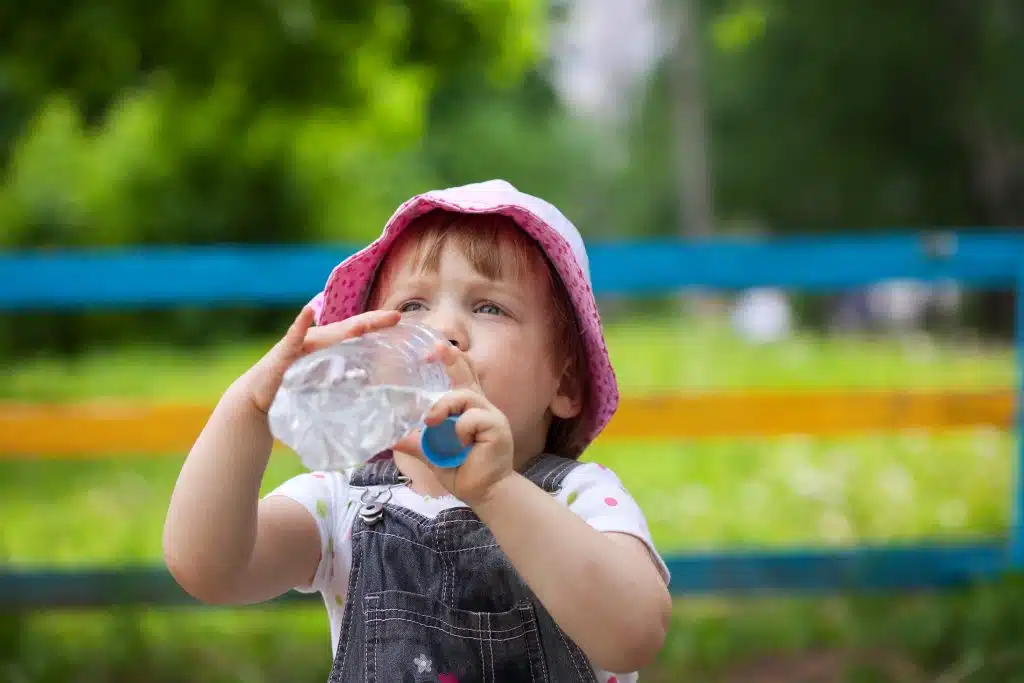
Why Children Are More Prone to Dehydration
Children regulate body temperature differently than adults. They produce more heat during activity and often become so focused on playing that they forget to drink water. Hot weather, high altitude, sports, swimming, fever, vomiting, and diarrhea can all increase fluid loss.
One common misconception is that children only become dehydrated during extreme heat. In reality, dehydration can develop even on mild summer days if kids spend several hours outside without replacing lost fluids.
1. Dry Mouth and Chapped Lips
One of the earliest signs of dehydration is a dry or sticky mouth. Your child may also have cracked lips, complain that their mouth feels dry, or seem less interested in eating because swallowing feels uncomfortable.
These symptoms are easy to overlook, especially after a busy day outdoors. Offering water regularly instead of waiting for your child to ask can help prevent dehydration from worsening.
2. Dark Yellow Urine or Fewer Bathroom Trips
Urine color offers helpful clues about hydration. Pale yellow urine usually suggests adequate hydration, while darker urine often indicates the body is conserving water.
Watch for:
- Dark yellow or amber-colored urine
- Going several hours without urinating
- Fewer wet diapers in infants
- Complaints of pain when urinating due to concentrated urine
Parents sometimes assume children are hydrated because they’re swimming or playing with water. Water activities don’t replace the fluids lost through sweat.
3. Fatigue or Low Energy
A child who suddenly wants to sit down, stop playing, or seems unusually tired during outdoor activities may be becoming dehydrated.
Mild dehydration can reduce energy levels, making children appear sluggish or less interested in activities they normally enjoy. This often improves after rest and proper hydration, but persistent fatigue deserves medical evaluation.
4. Headaches or Dizziness
Headaches are another common symptom of dehydration, particularly after prolonged sun exposure or physical activity. Some children also feel lightheaded when standing or complain that the room feels like it’s spinning.
Parents may mistakenly assume headaches are caused only by heat. In many cases, inadequate fluid intake is an important contributing factor.
If your child experiences recurring headaches outside of hot weather, you may also find Migraines in Children: Symptoms, Causes & Treatment helpful for understanding other possible causes.
5. Fast Heart Rate and Reduced Sweating
As dehydration progresses, the body works harder to maintain normal circulation. Children may develop a faster heartbeat, appear flushed, or sweat less than expected despite being active in warm weather.
These signs should never be ignored, particularly if they’re accompanied by weakness, confusion, or difficulty staying awake.
How Arvada Pediatricians Help Identify Dehydration
Most cases of mild dehydration improve with prompt fluid replacement and rest. However, Arvada pediatricians recommend seeking medical evaluation if your child cannot keep fluids down, appears unusually sleepy, develops persistent vomiting or diarrhea, or shows signs of moderate to severe dehydration.
Preventive visits also give families an opportunity to discuss hydration needs, sports participation, nutrition, and seasonal safety. Resources like Why Arvada Parents Should Never Skip Annual Well-Child Visits and Understanding Well-Child Exams and Physicals: What Parents Should Know explain how routine care supports children’s health throughout the year.
6. Irritability or Unusual Behavior
Not every child says they’re thirsty. Younger children, in particular, may become unusually fussy, irritable, or emotional before obvious physical symptoms appear.
Parents often describe their child as “just not acting like themselves.” When combined with recent outdoor activity or hot weather, dehydration should be considered as one possible explanation.
If symptoms continue despite drinking fluids, or your child becomes difficult to wake, immediate medical evaluation is important.
7. Sunken Eyes or Lack of Tears
Moderate dehydration may cause noticeable physical changes.
Watch for:
- Sunken eyes
- Dry skin
- Little or no tears when crying
- Cool hands and feet
- Delayed skin elasticity
These signs suggest the body has lost a significant amount of fluid and should be evaluated promptly by a healthcare provider.
Simple Ways to Prevent Summer Dehydration
Preventing dehydration is usually easier than treating it. Establishing good hydration habits before outdoor activities makes a big difference.
Helpful strategies include:
- Encourage water breaks every 20 to 30 minutes during active play.
- Offer water before children say they’re thirsty.
- Pack refillable water bottles for parks, sports, and outings.
- Include water-rich foods such as watermelon, oranges, cucumbers, and berries.
- Schedule outdoor play during cooler morning or evening hours when possible.
- Dress children in lightweight, breathable clothing.
- Take frequent breaks in shaded or air-conditioned areas.
Families planning vacations may also benefit from 12 Pediatrician-Approved Tips for Traveling Safely with Children, which includes practical advice for keeping kids healthy while away from home.
Common Mistakes Parents Should Avoid
Several myths about hydration continue to cause confusion.
One is assuming sports drinks are always the best option. For most healthy children participating in routine play, water is usually sufficient. Sports drinks may be appropriate during prolonged, intense athletic activity, but they shouldn’t replace water throughout the day.
Another mistake is waiting until children ask for something to drink. Thirst often develops after dehydration has already started. Building regular water breaks into family routines is much more effective.
Finally, don’t assume every tired child simply needs a nap. During summer months, fatigue, dizziness, and headaches may all point toward dehydration, particularly after time outside.
If dehydration develops alongside vomiting or diarrhea, Stomach Flu in Kids: Symptoms, Treatments, and When to Call the Doctor offers additional guidance on recognizing when fluid loss becomes more serious.
When to Seek Immediate Medical Care
While mild dehydration often improves at home, seek urgent medical attention if your child:
- Cannot keep fluids down due to repeated vomiting
- Has signs of confusion or extreme drowsiness
- Faints or becomes difficult to wake.
- Has not urinated for many hours
- Shows rapid breathing or a racing heartbeat
- Develops persistent fever along with dehydration symptoms
Prompt treatment can prevent complications and help children recover more quickly.
Conclusion
Summer dehydration can develop faster than many parents expect, but recognizing the warning signs early makes a significant difference. Dry mouth, dark urine, fatigue, headaches, unusual behavior, reduced sweating, and sunken eyes are all signals that your child may need more fluids—or medical attention if symptoms become severe.
Encouraging regular water breaks, planning outdoor activities wisely, and responding quickly to early symptoms can help children stay active and healthy throughout the season. If you’re ever unsure whether dehydration requires medical evaluation, the team at Indian Crest Pediatrics can help assess your child’s symptoms and recommend the appropriate next steps.