It is very common to have the blues sometimes or feel worried about upcoming events. Growing up can be very stressful for kids as they go through many changes in their physical and emotional development. Kids may be fearful of going to school or being separated from their parents, but these usually pass as they adapt to their new environments.
However, if you notice that your child is avoiding activities or regularly suffers panic attacks, then it may be a sign of a panic disorder.
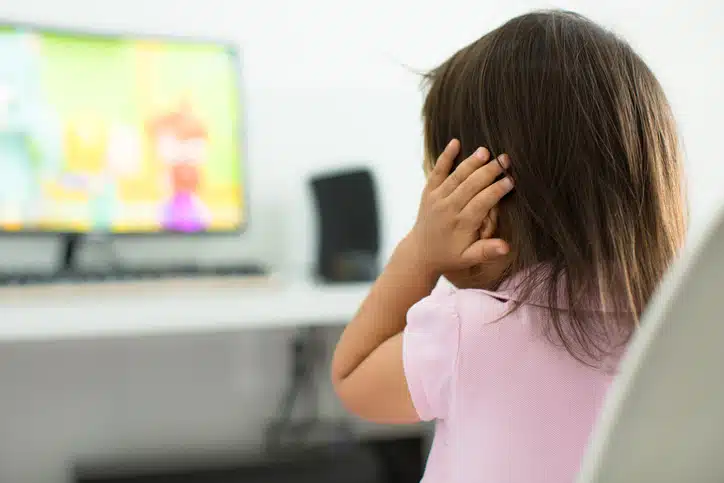
What is Panic Disorder?
A child may have a panic disorder if they suffer from regular panic attacks, intense fear, and anxiety, alongside other physical symptoms. These attacks don’t often have a noticeable trigger, but they can cause a massive amount of disruption in the child’s life.
Symptoms
Panic attacks can come on quickly and can last up to one hour. The first time someone has a panic attack, they may feel like they are just about to die, as the body’s “fight or flight” response goes into overdrive. Other symptoms of panic attacks include:
- Racing heart or heart palpitations
- Trembling
- Sweating
- Chills or hot flashes
- Nausea
- Feeling like you are choking or can’t breathe
- Dizziness
- A need to go to the bathroom more often
During these spells, a child may feel like they are going crazy or losing control. As a result, the child will usually have an intense urge to escape the place or situation they are currently in. Unfortunately, this can lead to the child avoiding certain circumstances through