When you think of migraines, you might picture an adult curled up in a dark room but migraines can affect children, too. In fact, up to 10% of school-aged kids experience migraine headaches, and they can have a significant impact on learning, sleep, and quality of life.
At Indian Crest Pediatrics, we often see children who experience frequent headaches that turn out to be migraines. Understanding the symptoms and triggers can help you take the proper steps toward relief and prevention.
What Are Migraines in Children?
Migraines are more than just headaches. They’re a type of neurological disorder that causes intense pain, often accompanied by nausea, light sensitivity, or visual changes. In children, migraine attacks may last anywhere from one hour to several hours and may occur less predictably than in adults.
Some children may also experience abdominal migraines, which cause stomach pain instead of head pain—read more in our post on Abdominal Pain in Children: Causes & Treatment.
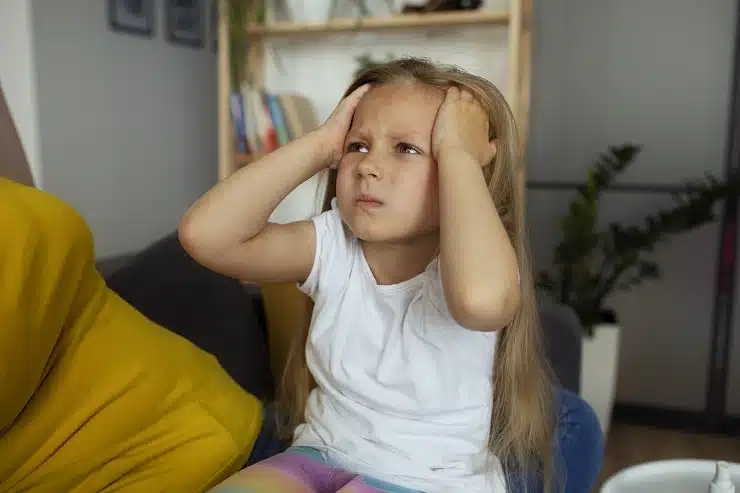
Common Symptoms of Pediatric Migraines
Migraines in kids can look different from those in adults. Symptoms may include:
- Throbbing or pulsing head pain (often on one side)
- Nausea or vomiting
- Sensitivity to light, sound, or smell
- Dizziness or blurred vision
- Fatigue or irritability
- Loss of appetite
- Pale skin or dark circles under the eyes
Some children experience warning signs called auras before the migraine starts. These might include visual changes like flashing lights, tingling sensations, or temporary difficulty speaking.
Because children may have trouble describing pain, watch for nonverbal signs such as holding their head, lying in dark rooms, or becoming unusually quiet.
What Causes Migraines in Kids?
Migraines have no single cause, but several factors can contribute:
- Genetics: A family history of migraines increases your child’s likelihood of developing them.
- Sleep disruptions: Irregular sleep or insufficient rest is a common trigger—learn more in Sleep Disorders in Children.
- Diet: Skipping meals, dehydration, or certain trigger foods (like chocolate, processed meats, or aged cheese) can provoke headaches.
- Stress or anxiety: Emotional strain, especially from schoolwork or social pressure, can increase migraine frequency. For strategies that may help, read our post on Tips for Managing Homework Stress in Young Children.
- Environmental triggers: Bright lights, strong odors, loud noises, or weather changes can spark migraines.
- Hormonal changes: Older children, especially girls, may notice migraines around puberty due to hormone fluctuations.
How Are Migraines Diagnosed?
Diagnosing migraines in children involves a thorough medical history, discussion of symptoms, and sometimes imaging or lab tests to rule out other causes.
Your pediatrician may ask questions like:
- How often do headaches occur?
- What does your child eat or do before they begin?
- Is there a family history of headaches?
Keeping a headache diary noting triggers, foods, sleep, and stress levels can be very helpful in pinpointing patterns.
Treatment Options for Migraines in Children
Treatment depends on your child’s age, frequency of attacks and how severe the symptoms are.
1. Lifestyle & Home Management
For many children, small changes can make a big difference:
- Ensure regular meals and adequate hydration.
- Encourage consistent sleep routines.
- Promote daily physical activity.
- Limit screen time and ensure proper posture while studying.
- Help them manage stress with relaxation techniques, breathing exercises, or music see How Music Boosts Your Child’s Brain Development & Skills.
2. Medications
For moderate to severe migraines, your pediatrician may recommend:
- Pain relievers such as acetaminophen or ibuprofen (always follow dosage guidance)
- Anti-nausea medications for children who experience vomiting
- In rare cases, prescription migraine medications (triptans or preventatives) may be used in older children.
Never give your child medication without consulting your pediatrician first.
3. Identify & Avoid Triggers
Tracking patterns and avoiding common triggers like skipped meals or certain foods can help reduce attacks.
4. Behavioral Therapy or Counseling
For children whose migraines are stress-related, counselling or relaxation therapy can be beneficial.
When to Call the Doctor
You should contact your pediatrician if your child’s headaches:
- Occur frequently or interfere with daily activities
- Wake them up at night.
- Are accompanied by vomiting, vision changes, or weakness
- It occurs after a head injury.
- Don’t improve with home care or over-the-counter medication.
Persistent or worsening headaches should always be evaluated to rule out other underlying conditions.
Final Thoughts
Migraines can be painful and disruptive, but with the proper care, children can manage them effectively and maintain an excellent quality of life. Early recognition and treatment are key to preventing long-term complications.
At Indian Crest Pediatrics, we help identify migraine triggers, manage symptoms, and guide families through effective prevention and treatment strategies. Schedule a visit with our dedicated pediatric team to discuss your child’s headaches and find a plan that supports their comfort and well-being.